
The Synergy of Logo and Product Packaging Design: A Marketing Essential
Introduction: Why Logo and Packaging are Inseparable
In the world of brand marketing, the connection between logo design and product packaging design is incredibly tight. The logo, often referred to as the focal point of the visual identity, is a permanent fixture on the product package. Therefore, maintaining consistency and harmony between the logo and its surrounding packaging is crucial for successful product marketing and strong brand recognition.
The logo is the most vital element of brand identification—it is instantly recognizable and graphically communicates the essence of the brand. Similarly, packaging is a significant marketing tool that directly impacts brand perception and sales performance.
Achieving Consistency in Visual Identity
During the brand design process, the logo and the associated product packaging must exhibit a seamless relationship. This congruence ensures that a unified, coherent, and easily understandable image of the brand is delivered to the audience.
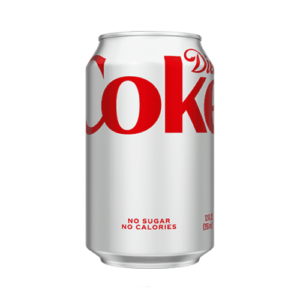
For example, if a brand’s logo predominantly uses the colors red and gray, the packaging for that brand must leverage the same color palette. Furthermore, other key design elements, such as typography (font selection), image style, and overall shape, must be compatible with the logo’s aesthetic.
The Role of Simplicity and Cohesion
Beyond mere compatibility, simplicity and integrity are paramount. Effective packaging should be straightforward and easily recognizable by consumers. This simplicity in packaging significantly enhances the brand’s image, making it easier for customers to identify and recall the brand instantly.
To achieve superior brand identification and drive sales, both the logo and the packaging must be designed with four key elements in mind: harmony, integrity, simplicity, and distinctiveness.
Packaging: More Than Just Protection
Product packaging is a critical component of the customer purchase experience, exerting considerable influence on buying decisions. Modern brands focus not only on product quality but also on creating attractive and appropriate packaging to capture consumer attention and boost sales.
Effective brand packaging typically includes:
A unique design aesthetic.
The use of high-quality materials.
Attention to environmental sustainability.
The ability to enhance the customer experience and meet their needs.
Clear presentation of product specifications.
Brand packaging must align with customer expectations. To attract attention, brands often incorporate the distinct logo design, engaging color schemes, visually appealing patterns, and practical symbols.
The Logo as a Marketing Cornerstone
By featuring the logo prominently, the product packaging becomes a vital element of the brand’s marketing strategy, significantly influencing customer purchase decisions.
The link between the logo and product packaging is crucial because it directly impacts sales and the overall memorability of the brand’s offerings. While packaging encompasses all elements used for protection, storage, and sales, the logo is the indispensable identifier that must be integrated into the product packaging.
Design Strategy: Simplicity, Differentiation, and Market Alignment
Like the logo itself, product packaging design must be guided by the product type, target market, and competitor analysis. Choosing the right brand corporate colors, typography, imagery, and shape is essential to ensure they all align seamlessly with the existing logo.
Again, simplicity and unity are vital in packaging design. The packaging must be simple and identifiable, allowing consumers to recognize it quickly. The logo must be placed appropriately within the packaging to serve its primary function as a brand identifier.
Ultimately, the logo and packaging must be designed in a harmonious way that aids in identifying the product and differentiating it from competitors. Employing a distinctive logo and unique packaging is a powerful strategy to ensure brand recognition, significantly boosting sales and allowing the brand to stand out clearly in the competitive market.